
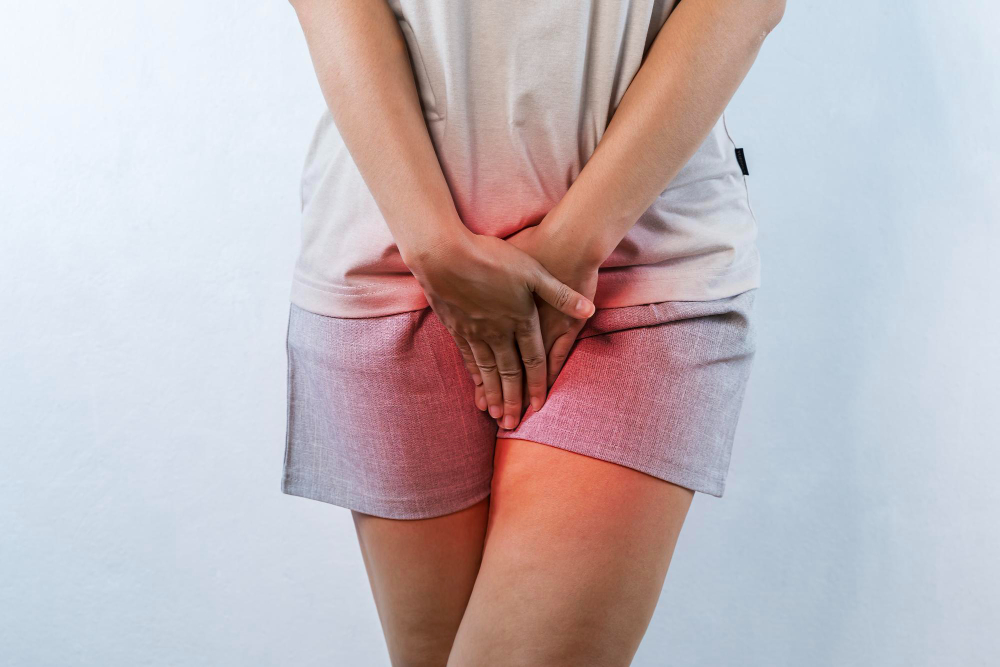
What Is Vaginal Dryness?
Vaginal dryness is a common concern for many women. It happens when the tissues inside the vagina lose moisture. As a result, this can cause discomfort or pain. Often, vaginal dryness affects women during menopause. However, it can happen at any age. For many, finding relief for vaginal dryness is important for daily comfort and health.
According to the World Health Organization (WHO), vaginal dryness is not rare. In fact, it can affect up to half of women during menopause. Still, it may also occur due to other reasons. Understanding this condition helps you manage symptoms and seek the right treatment for vaginal dryness.
Common Symptoms of Vaginal Dryness
Usually, vaginal dryness comes with several signs. Some women notice mild symptoms, while others feel more discomfort. For example, you may experience:
Sometimes, these symptoms can affect your daily life. In addition, they may cause stress or anxiety. If you notice any of these signs, it is helpful to talk with your doctor. Early care can make managing vaginal dryness easier.
Causes of Vaginal Dryness
There are several causes of vaginal dryness. Most often, it is linked to lower estrogen levels. Estrogen is a hormone that keeps the vaginal tissues healthy. When estrogen drops, dryness can occur. For instance, this happens during menopause. However, other factors can also play a role. These include:
Sometimes, more than one cause can lead to dryness. Because of this, knowing the reason helps guide the best treatment for vaginal dryness.
How Vaginal Dryness Is Diagnosed
Doctors use a few steps to diagnose vaginal dryness. First, they will ask about your symptoms and health history. Next, they may do a gentle pelvic exam. During this exam, your doctor checks for signs of dryness or thinning of the vaginal walls.
In some cases, your doctor may suggest simple tests. For example, they might check your hormone levels. This can help find out if menopause or another cause is involved. According to the Centers for Disease Control and Prevention (CDC), early diagnosis helps you get the right care. Therefore, do not hesitate to seek help if you notice symptoms.
Treatment Options for Vaginal Dryness
There are many ways to find relief for vaginal dryness. Treatment depends on the cause and your needs. Some common options include:
For women with vaginal dryness in menopause, hormone therapy may help. However, not everyone can use hormones. Because of this, your doctor will help you choose the safest option. If you are looking for vaginal dryness treatment in your area, many clinics offer support and advice.
Lifestyle Tips and Prevention
Simple changes can help manage vaginal dryness. For instance, you can:
Additionally, regular sexual activity can help keep vaginal tissues healthy. However, always use gentle products and avoid anything that causes irritation. If you have questions about managing vaginal dryness, your doctor can provide more tips. Reliable sources, such as PubMed and the CDC, also offer helpful information about prevention and care.