
What is Rubella and Why is it Important Before Pregnancy?
Rubella, also called German measles, is a mild viral infection. However, it can cause serious problems during pregnancy. For example, if a pregnant woman gets rubella, her baby may face birth defects. These can include hearing loss, heart problems, or eye issues. Because of this, doctors stress the need for rubella immunity before pregnancy. The World Health Organization (WHO) and the Centers for Disease Control and Prevention (CDC) both recommend checking your rubella status before trying to get pregnant.
Understanding Rubella IgG Testing
Rubella IgG Testing Before Pregnancy checks if your body has made antibodies against rubella. In other words, it shows if you are protected from the virus. The “IgG” part stands for immunoglobulin G, a type of protein your immune system makes. If you have enough rubella IgG, you are likely immune. This test is simple and helps prevent problems for both mother and baby. Many doctors use this test as part of routine pre-pregnancy care. Knowing your rubella immunity before pregnancy gives peace of mind.
Who Should Get Rubella IgG Testing?
Most women planning to become pregnant should consider this test. However, some groups may need it more. For instance, you should get rubella IgG testing if:
Even if you feel healthy, checking your rubella immunity before pregnancy is wise. This step helps protect your future baby from harm.
How is Rubella IgG Testing Performed?
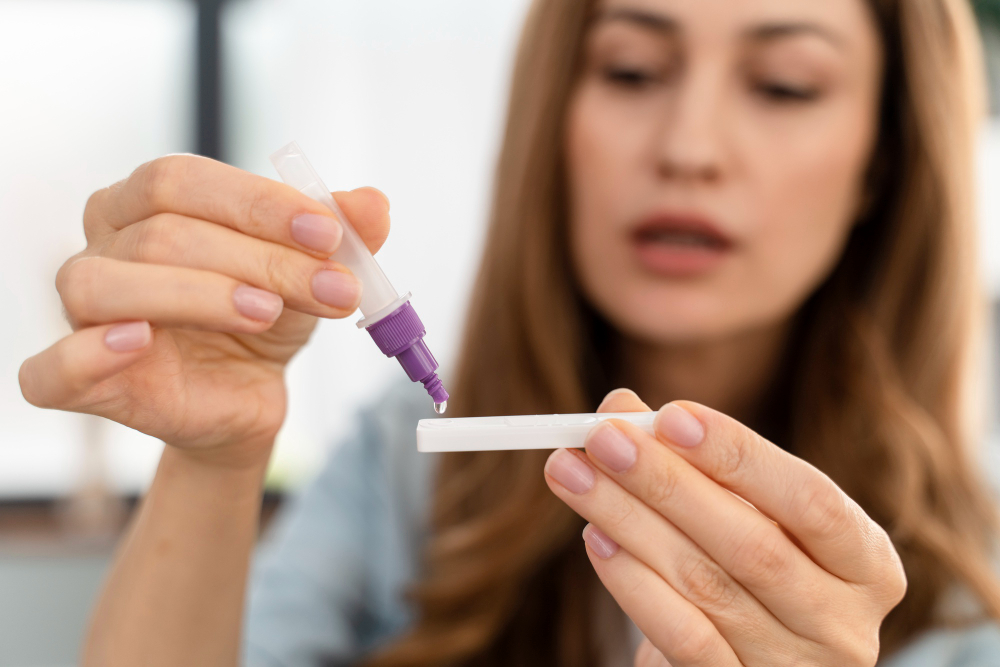
Rubella IgG testing is quick and easy. First, a healthcare worker takes a small blood sample from your arm. Next, the sample goes to a lab for testing. Usually, you get your results in a few days. Because the test is simple, you can do it at most clinics or hospitals. In some cases, your doctor may include it in a routine pre-pregnancy checkup. Many women in cities and rural areas can access this test.
What Do Rubella IgG Test Results Mean?
Understanding your rubella IgG test meaning is important. Your results will show if you have enough antibodies. Here is what the results may mean:
If you are not immune, your doctor will explain the next steps. Protecting pregnancy from rubella starts with knowing your status.
Steps to Take if You Are Not Immune
If your test shows you are not immune, do not worry. There are safe ways to protect yourself and your future baby. For example, your doctor may suggest the MMR vaccine. This vaccine protects against measles, mumps, and rubella. However, you should not get pregnant for at least four weeks after getting the vaccine. This waiting period helps keep your pregnancy safe. Your healthcare provider will guide you through each step. They may also answer any questions about rubella immunity before pregnancy.
Prevention and Lifestyle Guidance
Staying protected from rubella is important for every woman planning a family. Here are some tips to help:
Because rubella can spread easily, taking these steps helps protect your health. The CDC and WHO both recommend these actions for women everywhere. With the right care, you can lower the risk of rubella and keep your pregnancy safe.