
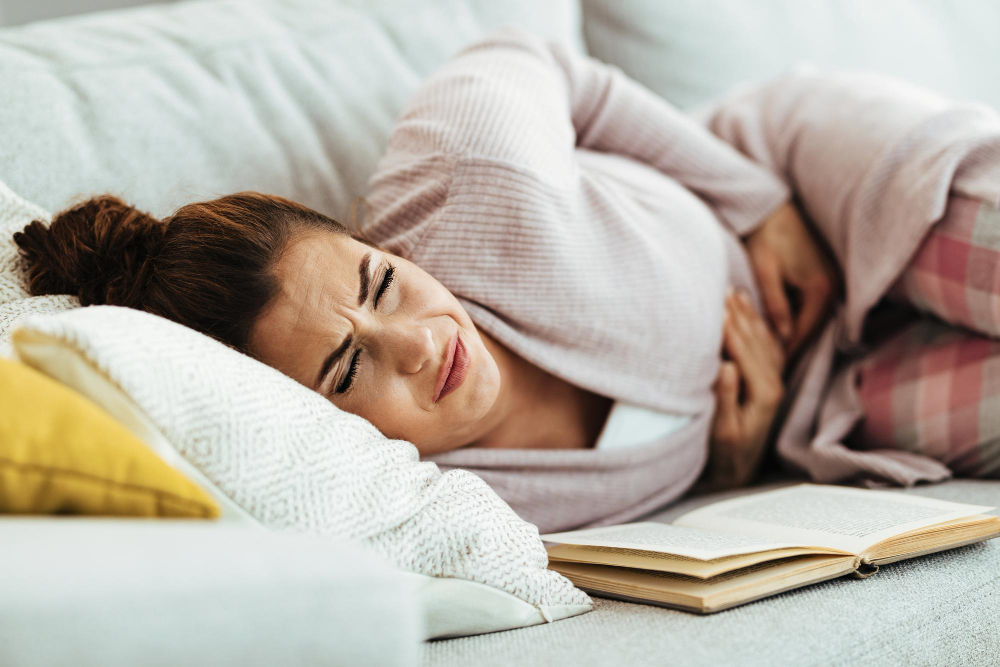
What Are Heavy Periods?
Heavy periods, also called menorrhagia, mean you bleed more than normal during your period. For many women, this can make daily life hard. Sometimes, you may need to change pads or tampons every hour. In fact, heavy periods can last longer than seven days. According to the CDC, about one in five women have heavy menstrual bleeding. While some changes in flow are normal, ongoing heavy periods may signal a health problem.
Common Causes of Heavy Periods
Many things can cause heavy periods. Sometimes, the reason is easy to find. Other times, it may take tests to know for sure. Below are some common menorrhagia causes:
Sometimes, no clear cause is found. However, a gynaecologist can help find answers.
Symptoms to Watch For
Not all period problems mean you have menorrhagia. Still, some signs can help you know if your flow is too heavy. For example, watch for these symptoms:
If you notice these symptoms, it may be time to seek gynaecologist advice.
How Heavy Periods Are Diagnosed
First, your doctor will ask about your period history. Next, they may do a physical exam. Sometimes, blood tests check for anemia or clotting issues. In addition, an ultrasound can look for fibroids or polyps. For some women, a sample of the womb lining may be needed. These steps help find the cause of heavy menstrual bleeding.
Treatment Options for Heavy Periods
Treatment for heavy periods depends on the cause. Your gynaecologist may suggest:
Each option has pros and cons. Therefore, your doctor will help you choose the best treatment for heavy menstrual bleeding.
When to See a Gynaecologist
Sometimes, heavy periods need quick medical care. You should see a gynaecologist if you:
Early advice can help prevent problems like anemia. In cities like London, many clinics offer same-day appointments for period problems.
Lifestyle Tips for Managing Heavy Periods
While treatment helps, lifestyle changes can also make a difference. For example, you can:
These tips may help you feel more in control during your cycle.
Prevention and Self-Care Strategies
Although you cannot always prevent heavy periods, some steps may lower your risk. For instance:
With the right care and advice, most women can manage heavy periods and enjoy better health.